Inquiry
Choosing Nic Salt Vape E-Liquid for global buyers requires more than comparing flavors and prices. Product quality, nicotine strength, device compatibility, labeling, and local rules all matter. A bottle should show its ingredients, batch information, manufacturer details, and recommended storage conditions. Clear evidence builds trust.
Dr. Konstantinos Farsalinos, a cardiologist and tobacco-harm-reduction researcher, has stated, “Electronic cigarettes are not harmless, but they are much less harmful than smoking.” That warning deserves attention. Nicotine products are not risk-free, and non-users should not begin using them. Responsible buyers should verify age requirements and consult current regulations in their destination market. Rules can differ sharply between countries, regions, and even online sales channels.
A suitable Nic Salt Vape E-Liquid should match the device. Low-power pod systems usually work best with thinner formulations and appropriate nicotine levels. High-power devices may produce excessive vapor or an uncomfortable throat sensation. Check the PG/VG ratio. Check the strength. Read the label carefully.
Flavor matters, but it should not hide weak manufacturing standards. Look for independent laboratory testing when available. Inspect the seal, expiry information, and packaging before use. Small details matter.
Real-world buying is rarely perfect. A familiar flavor may feel too sweet after several days. A preferred strength may become uncomfortable. Personal tolerance can change. Global buyers should compare verified information, not marketing promises, and select compliant products from transparent suppliers. The safest choice is often the least exciting one.
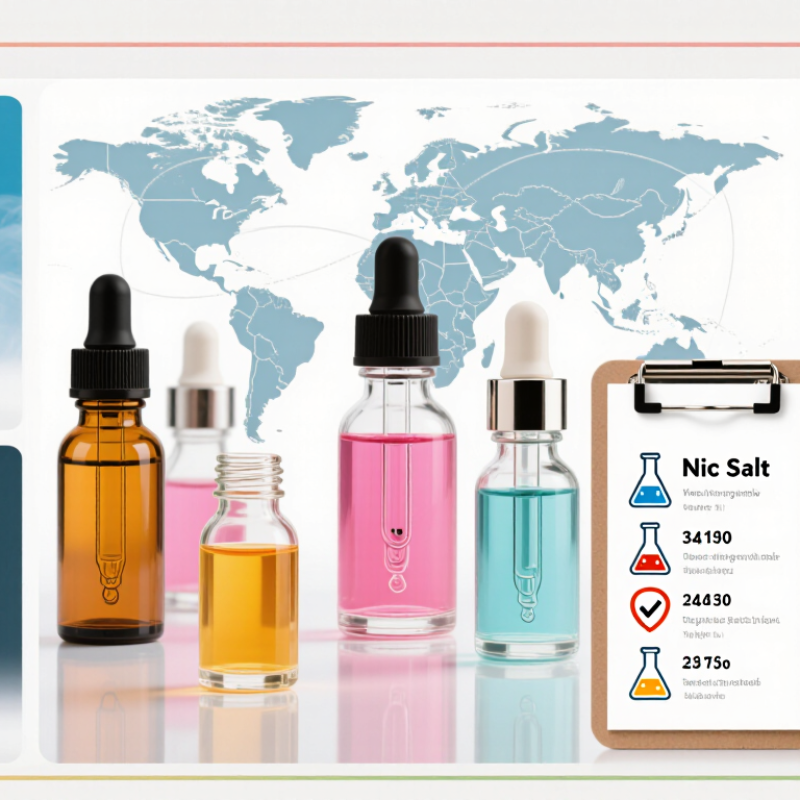
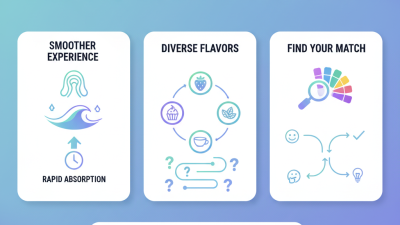
Nicotine salt e-liquid is made with nicotine salts, rather than traditional freebase nicotine. An acid is added to create a smoother formula. This can reduce the harsh throat sensation at higher nicotine strengths. However, smoothness does not mean reduced nicotine exposure. The body may absorb nicotine efficiently, so buyers should check local age limits and legal requirements before purchasing.
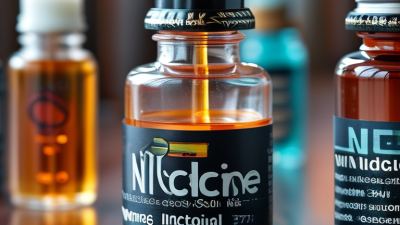
A reliable product should show its nicotine concentration, ingredient list, batch details, and manufacturing contact information. Look for clearly stated propylene glycol and vegetable glycerin ratios. These affect throat feel, vapor volume, and liquid thickness. A smaller pod device usually suits thinner e-liquid better. High-powered devices may produce excessive vapor and an uncomfortable experience. Start carefully.
I once assumed a smoother inhale meant a weaker liquid. That was a poor assumption. Strength labels deserve more attention than throat sensation. Buyers should also inspect the seal, expiry information, and storage guidance. Heat and sunlight can damage the liquid’s quality. Do not use damaged packaging. Flavors can change after opening, and personal preference is difficult to predict from descriptions alone. Check import rules in the destination country, because nicotine limits and product standards vary widely.
| Selection Dimension | Main Characteristic | Important Global Consideration | |
|---|---|---|---|
| Nicotine Type | Nicotine salts are made by combining nicotine with an organic acid, commonly producing a smoother inhalation than unprotonated freebase nicotine at comparable high strengths. | Choose nic salt e-liquid when a smooth, compact, low-power vaping experience is preferred. Select freebase liquid when a stronger throat sensation or high-power vaping is desired. | Product descriptions should clearly state whether the liquid contains nicotine salt or freebase nicotine. |
| Nicotine Strength | Common commercial strengths include approximately 5–20 mg/mL, 25–35 mg/mL, and 40–50 mg/mL, although availability differs by market. |
Lower strengthConsider approximately 5–10 mg/mL for light nicotine use or frequent vaping. Medium strengthConsider approximately 10–20 mg/mL for moderate nicotine use. Higher strengthUse only where legal and appropriate, generally with low-power pod devices. |
Nicotine limits vary by country. For example, the European Union Tobacco Products Directive limits nicotine concentration in consumer refill containers to 20 mg/mL. |
| Device Compatibility | Nic salt liquids are generally designed for low-wattage pod systems and mouth-to-lung devices. | Check the device manufacturer’s recommended resistance and power range. Avoid using high-strength nic salt liquid in high-power sub-ohm tanks unless the device and liquid instructions specifically support it. | Higher power can deliver nicotine more rapidly and may increase the risk of excessive nicotine intake. |
| PG/VG Ratio | A higher PG proportion usually provides more throat sensation and stronger flavor transmission, while VG contributes more vapor and sweetness. | Ratios such as 50/50 PG/VG are commonly suitable for pod devices because they balance wicking, flavor, and vapor production. Higher-VG formulas are generally better suited to compatible larger tanks. | Very thick, high-VG liquid may not wick efficiently in small pod coils and can cause dry hits or reduced coil life. |
| Throat Sensation | Nicotine salts are typically smoother than freebase nicotine at higher nicotine concentrations, although flavoring, PG level, and nicotine strength also affect sensation. | Choose a lower nicotine level or lower-PG formula if the liquid feels harsh. Choose a higher-PG formula only when more throat sensation is wanted and the device supports it. | Smoothness does not mean low nicotine delivery; users should follow the stated strength and avoid continuous excessive inhalation. |
| Flavor Profile | Common flavor categories include tobacco, menthol or mint, fruit, beverage, dessert, and unflavored options. | Select simple, clearly described flavors for regular use. Menthol and mint may feel cooler, while citrus, beverage, or dessert flavors can vary significantly in sweetness and intensity. | Flavor additives and permitted ingredients differ by jurisdiction. Products should use ingredients suitable for inhalation and comply with local rules. |
| Acidity and Smoothness | The acid used in a nicotine salt formulation can influence pH, perceived smoothness, and flavor balance. | Compare products using consistent information about nicotine type, strength, ingredients, and intended device rather than relying only on claims such as “extra smooth.” | Exact formulation details may be proprietary, but safety documentation and ingredient disclosure should be available where required. |
| Bottle Size | Nicotine e-liquid is commonly sold in small refill bottles or prefilled pod formats, depending on local regulations. | Choose a bottle size that matches expected consumption and storage conditions. Smaller containers can reduce prolonged exposure to air after opening. | Some markets restrict nicotine refill-container capacity or require child-resistant and tamper-evident packaging. |
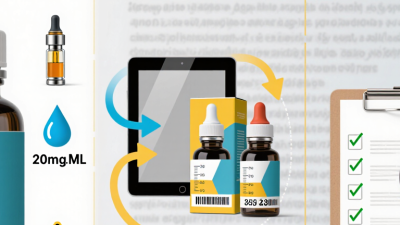
| Packaging and Labeling | A compliant label should normally identify nicotine concentration, volume, ingredients, batch information, warnings, and storage guidance. | Before purchase, confirm that the label is readable, the nicotine strength is expressed in mg/mL or an equivalent recognized unit, and the packaging is sealed and intact. | Required warnings, language, tax markings, and packaging standards differ between import markets. |
| Shelf Life and Storage | Nicotine and flavor compounds can gradually degrade through exposure to heat, light, and oxygen. | Store unopened and opened e-liquid in a cool, dark place, tightly sealed, and away from children and pets. Follow the manufacturer’s use-by or best-before date. | Changes in color can occur over time, but unusual odor, leakage, damaged packaging, or an unclear date are reasons not to use the product. |
| Coil and Pod Life | Sweet or heavily flavored liquids may contribute to faster coil darkening and flavor changes compared with simpler formulas. | Prime a new coil or pod correctly, keep the reservoir filled, and replace the coil when flavor becomes burnt, muted, or noticeably unpleasant. | Actual coil life depends on power, puff frequency, liquid composition, and coil material. |
| Safety and Handling | Nicotine e-liquid can be harmful if swallowed or absorbed through skin, especially for children and animals. | Keep containers locked and out of reach, avoid skin and eye contact, wash exposed skin promptly, and seek local medical advice after accidental ingestion or significant exposure. | Nicotine products are intended for adults of legal purchasing age and are not risk-free. |
| Regulatory Compliance | Nicotine concentration, permitted ingredients, product notification, packaging, advertising, and sales requirements vary worldwide. | Verify the destination country’s current requirements before purchasing, exporting, importing, or distributing any nicotine e-liquid. | A product legal in one market may be restricted or prohibited in another. Local customs and health-authority rules should take priority. |
| Best Overall Match | A balanced 50/50 formula with a clearly stated nicotine strength is commonly compatible with low-power pod systems. | For a general starting point, select a compliant 50/50 nic salt liquid, match the strength to personal nicotine needs, and use it only with a compatible mouth-to-lung pod device. | Individual nicotine response varies. Stop use if dizziness, nausea, headache, palpitations, or other concerning symptoms occur. |