Nic Salt Vape E-Liquid refers to vape liquid made with nicotine salts, usually formed by combining nicotine with an organic acid. This formulation can create a smoother sensation than traditional freebase nicotine at comparable strengths. The National Academies of Sciences, Engineering, and Medicine reported that nicotine salts may reduce throat irritation and support higher nicotine concentrations. That difference matters.
Global buyers should view the category through science, supply chains, and compliance. The World Health Organization estimates that more than 100 million people use electronic nicotine delivery systems worldwide, although measurement methods vary between countries. Grand View Research estimated the global e-cigarette market at approximately USD 28 billion in 2023, showing strong commercial interest but not proving product safety. The market is not perfectly measured.
A responsible introduction must separate consumer demand from health claims. Nicotine is addictive, and vaping products are not risk-free. Product quality can also differ through nicotine concentration, ingredient purity, battery design, packaging, and manufacturing controls. Buyers should check laboratory documentation, batch numbers, child-resistant packaging, and clear warning labels. They should also verify age restrictions, import rules, taxation, and permitted nicotine limits in each destination market. Requirements change.
For global purchasing decisions, supplier transparency is more useful than aggressive advertising. Independent testing, traceable records, and accurate product descriptions support stronger E-E-A-T standards. Some buyers may focus only on flavor and price. That is an avoidable mistake. This guide examines what Nic Salt Vape E-Liquid is, how it differs from freebase formulations, and which practical questions deserve careful review before lawful sourcing.
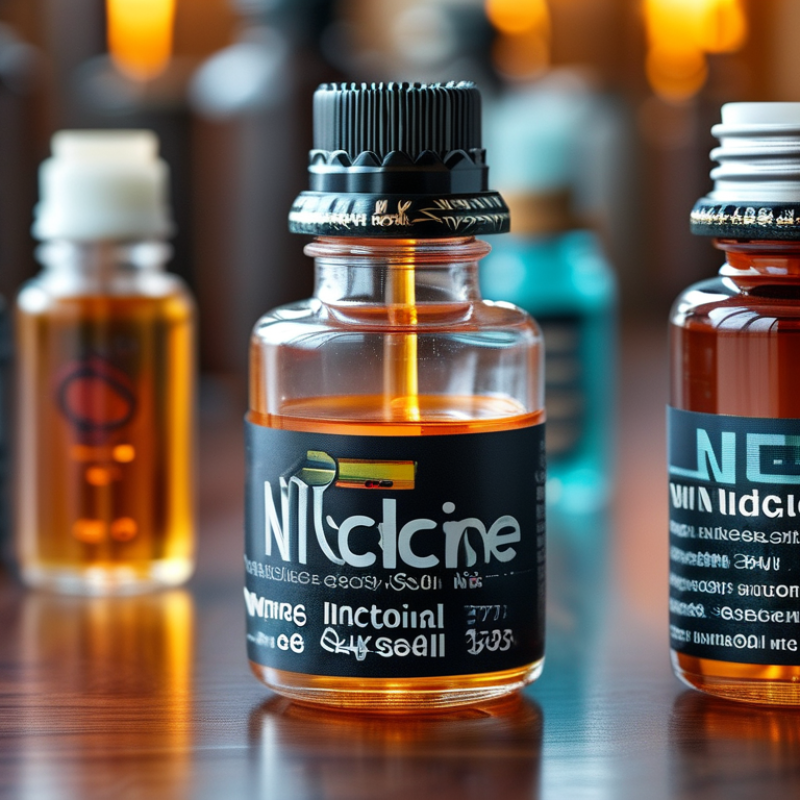
Nic salt vape e-liquid contains nicotine in a salt-based form, usually made by combining nicotine with an organic acid. This formulation can feel smoother than traditional freebase nicotine. It may also suit compact, low-power vaping devices. However, smoother does not mean harmless or suitable for everyone.
The liquid typically includes vegetable glycerin, propylene glycol, flavourings, and nicotine. VG creates denser vapour, while PG often carries flavour more sharply. A higher nicotine level can feel intense, even when the throat sensation seems mild. Read the bottle carefully. Check nicotine strength, ingredients, batch information, and the recommended device type. Avoid using high-strength liquid in powerful equipment.
Small details matter.
As a global buyer, verify import rules and age requirements in your country before ordering. Regulations can differ widely, including limits on bottle size, nicotine concentration, labelling, and online sales. Choose products with clear manufacturer information and child-resistant packaging where legally required. Independent testing information can improve confidence, but certificates should be traceable and current.
Nicotine is addictive and may cause dizziness, nausea, headache, or a rapid heartbeat when used excessively. Non-smokers, young people, and pregnant individuals should avoid nicotine products. I would not assume “salt” means safer; it mainly describes the nicotine formulation. Personal tolerance also varies, so careful label reading remains essential.
| Data Dimension | Typical Information | What Global Buyers Should Check |
|---|---|---|
| Product Definition | Nic salt vape e-liquid is a nicotine-containing liquid made with nicotine salts, usually blended with propylene glycol, vegetable glycerin, flavorings, and sometimes an organic acid. | Confirm the ingredient list, nicotine form, batch information, and local product classification before import or sale. |
| Nicotine Concentration | Common commercial strengths include 5, 10, 20, 25, 30, 35, 40, and 50 mg/mL, although availability varies by market. | Check whether the destination market permits the intended strength. Some jurisdictions apply a maximum nicotine concentration of 20 mg/mL, while others use different limits or restrictions. |
| Nicotine Label Units | Nicotine may be shown as mg/mL or as a percentage. For example, 20 mg/mL is equivalent to 2% by volume. | Use clear, consistent unit conversion on labels and product documents to reduce compliance and purchasing errors. |
| Nicotine Salt Formulation | Nicotine salts are formed by combining nicotine with an acid, which can lower the solution's pH compared with freebase nicotine. | Request the formulation specification and verify that all ingredients are permitted in the destination country. |
| Vapor Experience | Nicotine salt liquids are often designed to provide a smoother throat sensation at higher nicotine concentrations than comparable freebase liquids. | Do not assume that a smoother sensation means lower nicotine exposure. Communicate strength clearly to adult consumers. |
| Recommended Device Type | Nic salt e-liquid is commonly used in low-power pod systems and mouth-to-lung devices rather than high-power direct-to-lung equipment. | Check the device manufacturer's recommended wattage, coil resistance, and compatible liquid range before pairing products. |
| PG/VG Ratio | Common ratios include 50/50 PG/VG, although formulations may differ by product and intended device. | A higher-PG blend is generally thinner and often suits small pod systems; higher-VG blends are thicker and may require devices designed for greater liquid flow. |
| Bottle Sizes | Typical retail sizes include 10 mL, 30 mL, 60 mL, and 100 mL, depending on local regulations and packaging rules. | Confirm permitted container volume, child-resistant closure requirements, tamper evidence, and packaging-language rules. |
| Flavor Categories | Common categories include tobacco, menthol or mint, fruit, beverage, dessert, and unflavored formulations. | Flavor naming and permitted ingredients may be restricted in some markets, especially where youth-protection rules apply. |
| Quality Documentation | Commercial buyers commonly request a certificate of analysis, ingredient declaration, safety data sheet, batch or lot number, and laboratory test information. | Ensure documents correspond to the exact product, nicotine strength, flavor, batch, and manufacturing date. |
| Shelf Life and Storage | Many products indicate a shelf life of approximately 12 to 24 months when stored correctly, but the actual period depends on formulation and manufacturer validation. | Store sealed products in a cool, dry, dark place and follow the date and storage instructions on the label. |
| Import and Sales Compliance | Requirements may cover product notification, taxation, health warnings, advertising, nicotine limits, packaging, and age restrictions. | Review the latest laws of the destination country and, where applicable, regional rules before placing an order. |
| Consumer Safety Notice | Nicotine is addictive. Nicotine e-liquid is intended only for adults of legal purchasing age and should not be used by non-smokers, minors, or pregnant individuals. | Use child-resistant packaging, keep products away from children and pets, avoid skin or eye contact, and follow all local safety requirements. |
Note: Product specifications, legal limits, labeling requirements, and market access rules vary by country and may change. Buyers should verify current requirements with the relevant local authorities before importing or selling nicotine products.
Nicotine salt vape e-liquid uses nicotine combined with an organic acid, often forming a smoother, more stable solution. This chemistry lowers the liquid’s harsh alkaline sensation during inhalation. The result can feel gentler on the throat than traditional freebase nicotine. That does not make it harmless.
Nicotine salts may suit compact, lower-power devices with tighter airflow. Their smoother profile can make higher nicotine strengths easier to tolerate. It may also make frequent inhalation less noticeable. Small details matter. Buyers should check the nicotine level, ingredient list, batch information, and recommended device type. A liquid designed for a low-power pod may perform poorly in a high-power tank. Excess heat can create an unpleasant throat hit and waste liquid.
For global buyers, local rules require careful attention. Nicotine limits, packaging standards, age restrictions, and approved ingredients differ between countries. A reliable seller should provide clear labeling and independent quality information. Certificates should identify the tested product, not just display a generic claim. Be cautious with vague terms such as “pure” or “premium.” They explain little without evidence.
There is no perfect formula for every user. Smoothness can improve comfort, yet it may also encourage longer sessions. People who feel dizziness, nausea, headache, or a racing heartbeat should stop using the product and seek medical advice. Non-smokers, pregnant individuals, and minors should not use nicotine products.
Nicotine salt vape e-liquid uses nicotine combined with an organic acid, often benzoic or lactic acid. This changes the liquid’s acidity and throat sensation. The result can feel smoother than traditional freebase nicotine, especially at higher strengths. It is still nicotine, not a harmless ingredient.
Most formulas contain propylene glycol (PG), vegetable glycerin (VG), nicotine salt, and food-grade flavorings. PG carries flavor and creates a sharper throat feel. VG produces denser vapor and a softer inhale. A bottle may also list distilled water or small processing aids. Ingredient quality matters. Buyers should check full labels, sealed packaging, batch details, and independent laboratory information where available.
Nicotine strength is commonly shown in milligrams per millilitre, such as 5, 10, 20, or 50 mg/mL. Some markets use percentages, so 2% usually means about 20 mg/mL. These figures are not interchangeable without careful checking. Local limits differ widely, and some regions restrict certain strengths, flavors, or product formats. Adults who already use nicotine should follow local rules and choose cautiously. High-strength liquid can feel surprisingly smooth. That can make overuse easier to miss. Strength guidance remains imperfect because device power, puff duration, and personal tolerance change the experience. Non-smokers, pregnant people, and minors should avoid nicotine products.
Nicotine salt vape e-liquid contains nicotine combined with an organic acid, creating a smoother aerosol than many traditional freebase liquids. For adult smokers considering a switch, this may feel less harsh on the throat. The 2024 Cochrane review found that nicotine e-cigarettes can help some adults stop smoking, although results differ by product and user. This is not a risk-free option. Non-smokers, young people, and pregnant individuals should not use nicotine products.
Global buyers should examine nicotine strength, ingredient disclosure, batch testing, and child-resistant packaging. Rules vary widely between markets. Some countries restrict nicotine sales, flavors, advertising, or cross-border shipping. Check the destination authority before ordering. The World Health Organization reports that e-cigarette emissions can contain harmful substances, while long-term health effects remain uncertain. That uncertainty matters.
There are practical benefits. Salt formulations may deliver nicotine efficiently, require fewer puffs, and suit compact devices. Yet efficient delivery can increase dependence, especially with frequent use. The National Academies reported in 2018 that e-cigarette aerosol generally contains fewer toxicants than cigarette smoke, but it is not harmless. Product quality also varies across international supply chains. Labels can be incomplete. Independent laboratory results are more useful than polished claims. Data matters. A careful buyer should compare current regulations, verify sealed packaging, and avoid products with unclear ingredients or exaggerated health promises.
Nicotine salt e-liquid is made with protonated nicotine, often using an acid such as benzoic acid. The chart shows the calculated nicotine content in a 10 mL bottle at several labeled strengths. Nicotine salts may feel smoother than comparable freebase nicotine at higher strengths, but they still contain an addictive substance.
Reference: U.S. Food and Drug Administration, “Nicotine”; European Union Tobacco Products Directive, Article 20.
Nic salt vape e-liquid uses nicotine salts for a smoother throat feel at higher nicotine strengths. It can enter the bloodstream efficiently, so it is not risk-free. Buyers should understand the nicotine concentration before choosing a product. Non-smokers, minors, and pregnant people should avoid nicotine products.
International regulations differ sharply. Some countries restrict nicotine strength, bottle size, advertising, or online sales. Others require specific warning labels and child-resistant packaging. Check the destination country’s official health or customs website before ordering. Confirm whether personal imports are permitted. A seller’s shipping promise does not override local law.
Quality checks should be practical. Look for a sealed bottle, clear ingredient list, batch number, and expiry date. The label should state nicotine strength in mg/mL. Independent laboratory testing can help verify nicotine content and contaminants. Ask for a current certificate of analysis when available. Do not rely only on clear liquid or attractive packaging. A polished website proves little. Also inspect the cap, print quality, and contact details. Missing information is a warning sign. Even careful buyers can overlook local language requirements or tax rules. That mistake can delay delivery or make the product unusable. Store e-liquid upright, away from heat, children, and pets, and stop using it if the liquid leaks, changes appearance, or causes unusual symptoms.