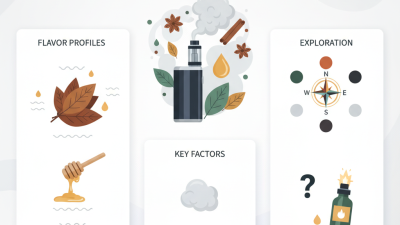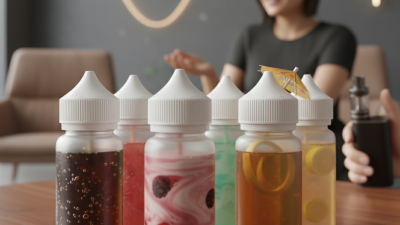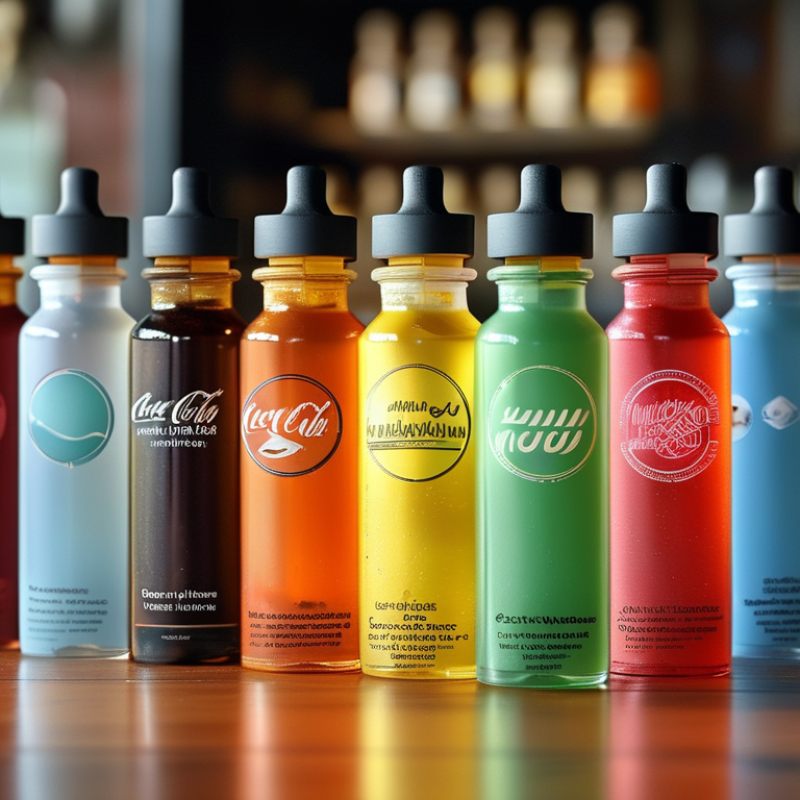
Choosing drink-flavor e-juice for global buyers starts with the target market, not personal preference. Adult consumers in Southeast Asia may favor lychee, calamansi, or iced tea notes. European buyers often show interest in berry, citrus, coffee, and lightly sweet profiles. Preferences can differ within one country. Urban shoppers may seek sparkling fruit flavors, while rural buyers may prefer familiar tea or cola tastes.
Market research should combine sales data, distributor feedback, and small sensory tests. A sample panel can compare sweetness, acidity, cooling, and aftertaste. For example, a lemon soda profile may need sharper acidity for hot climates. In cooler regions, a softer citrus blend may feel more balanced. Local language also matters. “Herbal tea” can suggest comfort in one market but medicine in another.
My early market map was too neat. Real preferences overlap. Some buyers dislike strong cooling, even in warm countries. Others prefer subtle flavors that do not resemble popular drinks. This uncertainty requires careful testing. Buyers should check ingredient documentation, product labeling, age restrictions, and import rules before selecting a flavor range. Regulatory requirements vary widely and can change without warning. Reliable suppliers should provide clear specifications, batch information, and consistent samples. Taste research is useful, but it is never complete. Feedback from local partners may challenge the original product plan.